Tree Correction for Safe and Attractive Landscapes
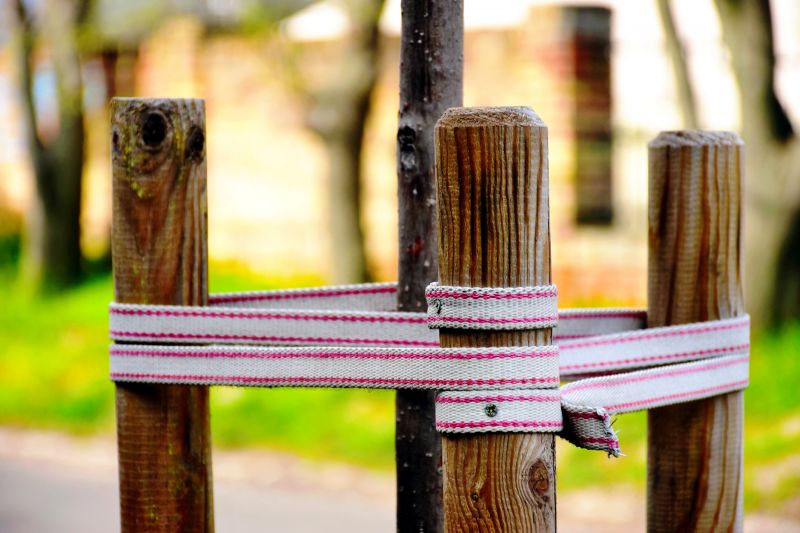
Multiple images showcasing the process of straightening trees, highlighting the techniques used to correct leaning or crooked growth.
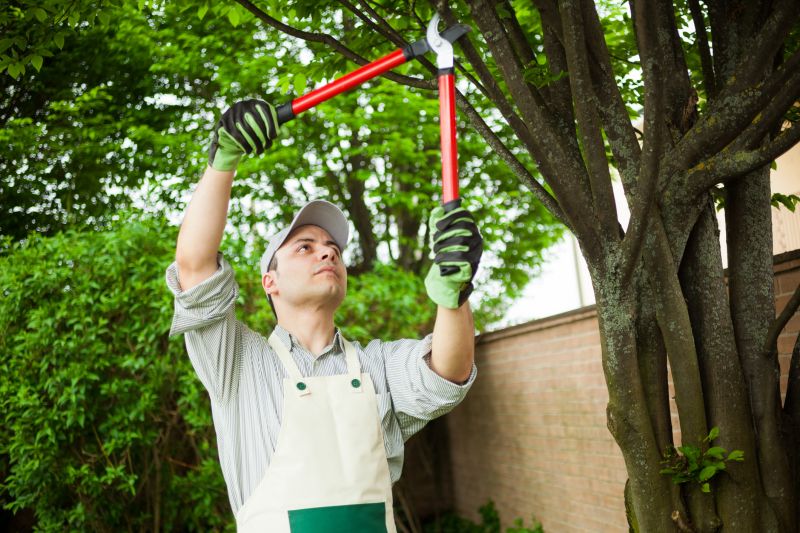
Visual comparisons of trees prior to and following the straightening process, demonstrating the effectiveness of professional interventions.
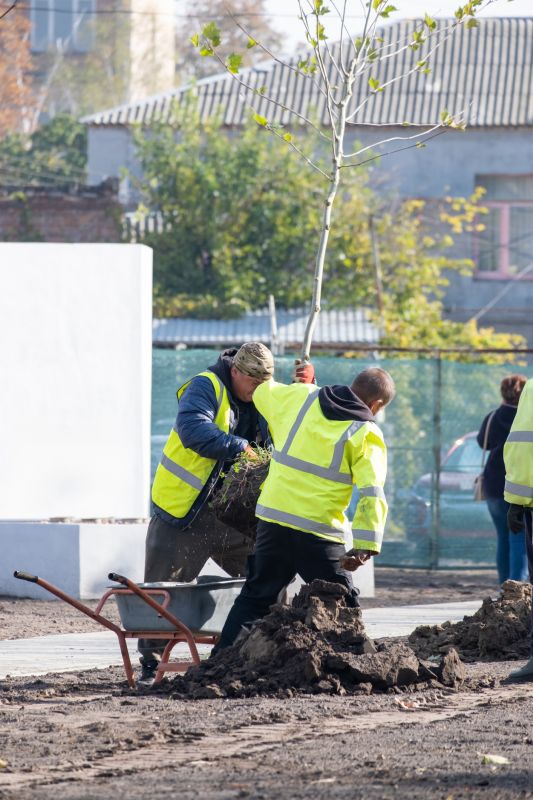
Photographs of trees that have been successfully straightened, illustrating the natural appearance maintained post-treatment.
Tree straightening is a specialized process aimed at correcting trees that have grown at undesirable angles due to environmental factors, root issues, or structural weaknesses. Proper straightening can enhance the aesthetic appeal of landscapes, improve structural stability, and reduce the risk of falling or damage during storms. The process involves careful assessment of the tree's condition, followed by the application of supports, cables, or braces to guide growth into a more upright position. This technique requires expertise to ensure the health of the tree is preserved while achieving desired alignment.
Statistics indicate that professionally straightened trees have a higher survival rate and longevity. Studies show that trees corrected early in their growth cycle respond better to straightening efforts, resulting in more natural growth patterns. The average time for a professional to complete a tree straightening varies depending on the size and condition of the tree but typically ranges from a few hours to a full day. Larger or more complex cases may require additional time and ongoing support to ensure stability. Properly straightened trees can significantly improve landscape value and safety.
A thorough evaluation of the tree's structure and health is essential to determine the best straightening approach.
Supports, cables, braces, and pruning are used to guide and stabilize the tree during the correction process.
Monitoring and maintenance ensure the tree adapts to its new position and remains healthy over time.
Engaging a professional for tree straightening offers several benefits. Experts can accurately assess structural risks and determine the most effective method to correct the tree's growth without compromising its health. Properly executed straightening minimizes the chances of future damage or failure, especially in storm-prone areas. Additionally, professionals use specialized equipment and techniques that are not typically available to DIY efforts, ensuring safety and precision throughout the process.
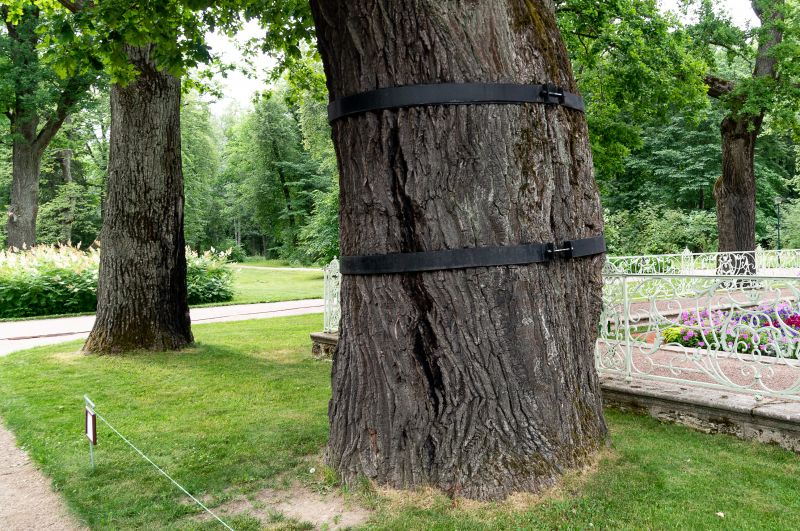
Photos of trees with cables and braces applied to maintain upright growth during recovery.
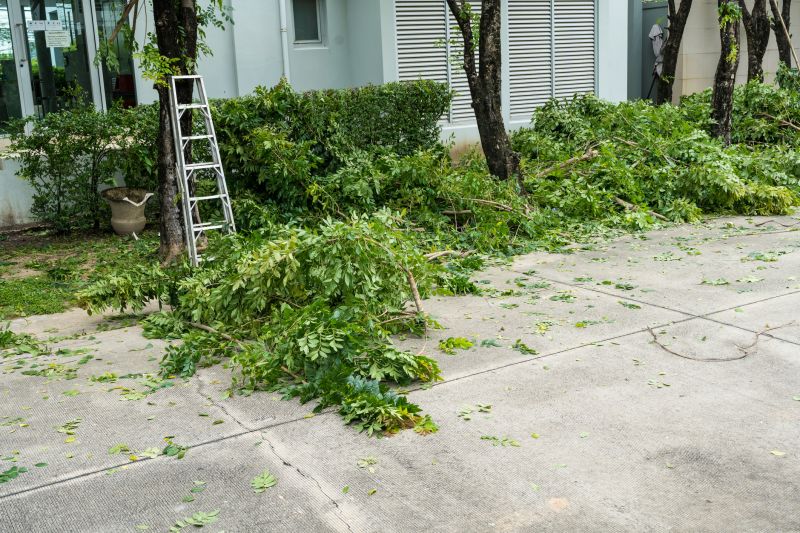
Images showing the natural, upright appearance of trees following professional straightening work.
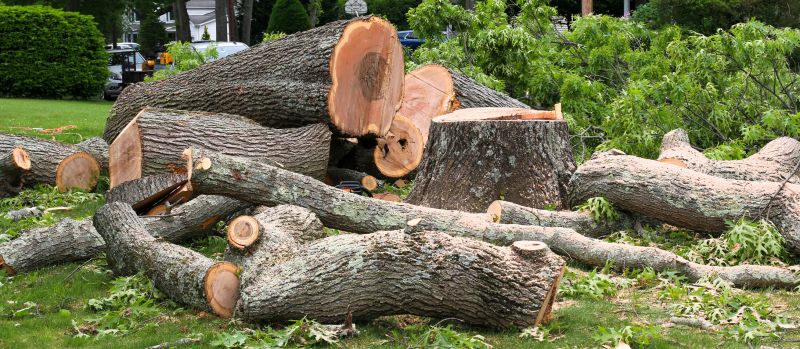
Trees displaying healthy foliage and structure after the correction process is complete.
Professionally straightened trees not only improve the visual landscape but also contribute to safety by reducing the risk of falling branches or entire trees. The process is tailored to each tree’s unique needs, ensuring minimal stress and promoting healthy growth. Regular inspections and maintenance help sustain the benefits of straightening, preserving the tree's integrity for years to come.
For those interested in correcting the growth of trees on their property, it is advisable to seek a consultation with experienced professionals. Filling out the contact form can provide a personalized quote and detailed assessment, ensuring the best outcome for landscape health and safety.